
 English
 Français
 日本語
 中文
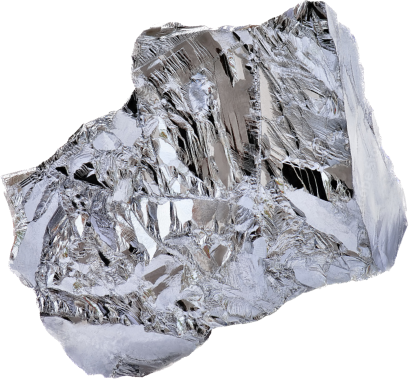
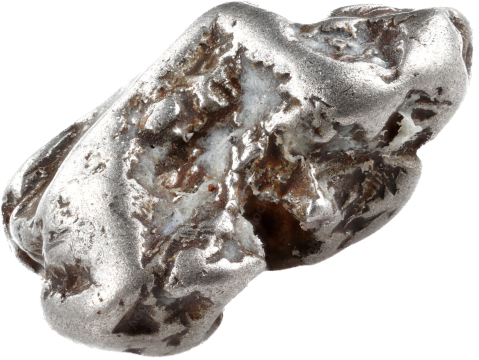
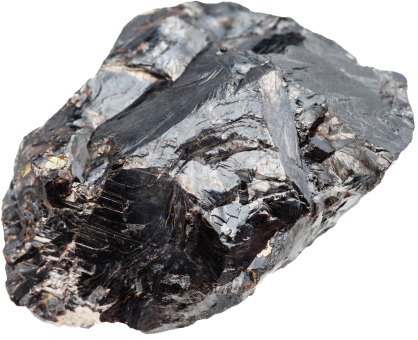
What We Produce
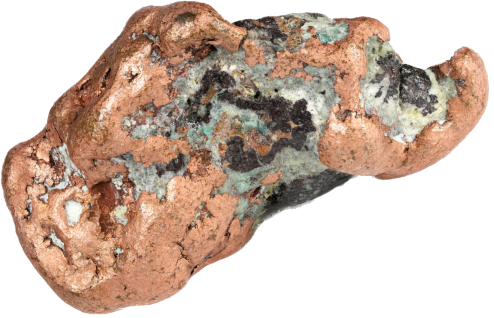
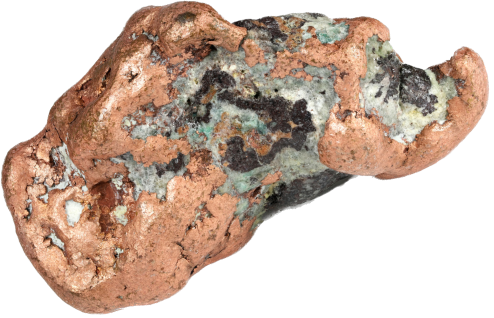
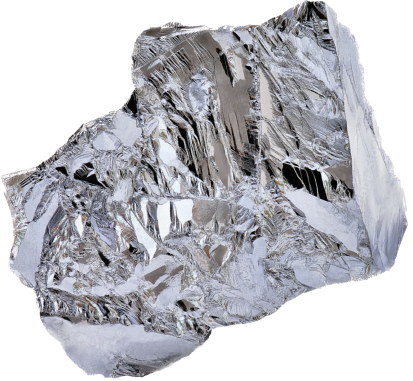
Copper
Located in the Central African Copperbelt, the Kamoa-Kakula Copper Complex is the world’s fastest-growing, highest-grade and lowest-carbon major copper mine. Ivanhoe Mines’ nearby Western Forelands exploration project also contains significant copper resources.
Copper is seen as the “metal of electrification” and is essential to all energy transition plans. Despite its critical status the potential supply-demand gap is expected to be significant as the energy transition intensifies.
According to research from S&P Global, copper demand is projected to grow 50%, from 28 million tonnes in 2025 to 42 million tonnes by 2040. The research firm notes that AI and data centres, defence spending and electrification are driving the increase, with data centre and defence demand each expected to triple by 2040. Global copper production is projected to peak at 33 million tonnes in 2030. The supply deficit may reach 10 million tonnes in 2040, even as recycled copper scrap more than doubles from 4 million tonnes to 10 million tonnes. This would mean a shortfall of about 24% against projected demand, per S&P Global.
Nickel
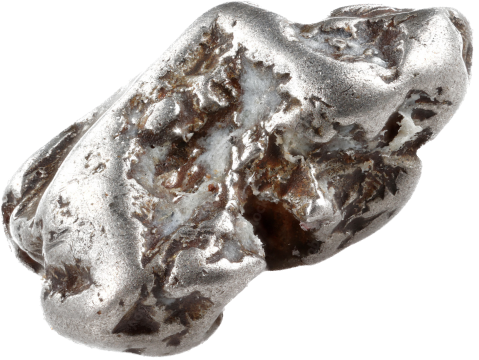
The Platreef Mine hosts one of the world’s largest undeveloped nickel sulphide resources, including approximately 2.4 billion pounds of nickel in Indicated Mineral Resources.
Nickel is one of the most important metal alloys for production of stainless steel, and this demand is forecasted to increase. More important for the future, nickel is critical for the transition to green energy because of its ability to deliver high energy density and greater storage capacity at a lower cost than other metals. These properties make nickel essential for the development of cleaner technologies such as EV batteries, wind and solar power.
The International Energy Agency’s Global Critical Minerals Outlook 2026 projects global nickel demand to increase by approximately 65% by 2040 under its Stated Policies Scenario, driven largely by energy technologies, including electric vehicles and battery storage. While announced projects could result in only a modest supply gap in the IEA’s base case, the growing geographic concentration of nickel production and refining presents supply-chain risks. The IEA estimates that approximately US$280 billion in cumulative investment in nickel mining and refining will be required through 2040 under the Stated Policies Scenario.
Platinum Group Metals
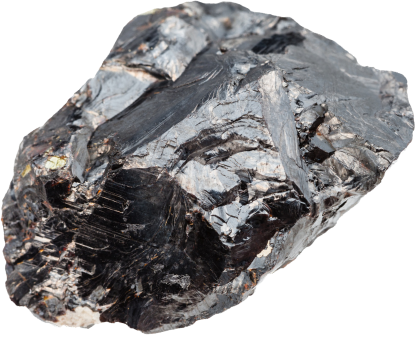
The Platreef Mine in South Africa is set to be one of the largest and highest margin primary PGM mines in the world.
Platinum, palladium and rhodium are critical metals used in vehicle pollution control devices, where they help convert toxic pollutants into carbon dioxide and water vapor. Platinum is also vital for zero emission hydrogen fuel cell technology.
Supply is highly concentrated: South Africa, Russia, Zimbabwe, Canada and the United States produced 97.7% of mined platinum in 2025, per the US Geological Survey. The USGS estimates South African PGM production fell 9% in 2025, citing higher deep-level mining costs and power disruptions. The World Platinum Investment Council (WPIC) reports the platinum market ran deficits in each of the three years from 2023 to 2025, with the 2025 deficit revised to more than 1.4 million ounces.
Zinc
Ivanhoe’s Kipushi Mine is the world’s highest-grade major zinc mine and is set to be the world’s third largest zinc mine in 2026.
Zinc, the fourth most consumed metal on earth, is used primarily to coat and protect steel from corrosion. Due to its fundamental roles in battery storage, wind and solar energy, and other green technology applications, zinc is categorized as a critical metal in both Canada and the U.S. Zinc also plays crucial roles in transportation, healthcare, infrastructure, consumer products, and food security.
The International Lead and Zinc Study Group (ILZSG) forecasts world zinc mine production to grow just 0.3%, to 12.55 million tonnes, in 2026. The ILZSG expects demand for refined zinc to exceed supply by 19,000 tonnes this year, a narrow deficit that leaves the market exposed to disruption
;)
;)